Do IUDs cause PID?
Modern IUDs don't cause pelvic inflammatory disease (PID)
 Medically reviewed Oct 2026 by Sarah Toler, DNP

There’s a lot of conflicting information out there about the relationship between these three very important acronyms related to women’s health: intrauterine devices (IUDs), sexually transmitted infections (STIs), and a serious infection called pelvic inflammatory disease (PID).
Young people and people without children qualify for IUDs. There used to be a culture of fear around IUDs, STIs, and PID that meant young people were denied IUDs. As we’ve pointed out before, science tells us that this is just plain wrong: women can safely use an IUD regardless of age or how many babies they’ve had.
Modern IUDs are safe for teenagers and young people
IUDs got a bad rap back in the 1970s when a poorly designed IUD called the Dalkon Shield caused PID for some people and failed to prevent pregnancies for others. The Dalkon Shield was related to uterine infections. A few people using it even died from severe infections.
The makers of the Dalkon Shield didn’t test it for safety and effectiveness the way we now test IUDs. Thousands of women filed lawsuits against the makers and they went bankrupt—and their IUD has not been sold in the U.S. for almost 50 years.
IUDs are safe birth control options
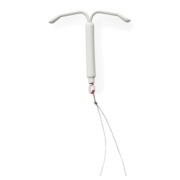
The IUDs currently available in the U.S. have been extensively tested for safety and effectiveness. All types of IUDs have been studied for years by the U.S. Centers for Disease Control and Prevention (CDC) and the World Health Organization (WHO). Large studies have proven that modern IUDs do not cause PID.
Do STIs cause PID?
Here’s what does cause PID: STIs. The most common STIs in the U.S. are chlamydia and gonorrhea. Condoms are still the MVP when it comes to preventing STIs (and, by extension, PID). People using IUDs for birth control are no more likely to get an STI or PID than women using other types of birth control.
Getting an IUD soon? Getting an STI test before you get an IUD is easy. If someone gets an IUD inserted when they have an STI, the chances of getting PID go up. Some health care providers will ask you to do an STI test before IUD insertion day.
About 20 days after having an IUD inserted, you’re over the hump for developing PID from an STI. After that time, PID happens at the same rate for people using IUDs as for those using other methods of birth control (aside from condoms).
Research shows that you can safely be tested for STIs on the day an IUD is placed. If you find out that you have an STI when the test results come back, you can take antibiotics to cure the infection and leave the IUD in place.
##Hormonal IUDs can reduce the chance of PID
There is even some evidence that hormonal IUDs protect against PID over time. Researchers think this might be because hormonal IUDs work by thickening cervical mucus, which makes it difficult for sperm—or an STI—to enter the uterus.
Why are some people still worried about IUDs?
The short answer is that things change slowly. Health care providers who were working in the 1970s and 80s still remember the bad rap of the Dalkon Shield. In those decades, influential medical organizations said IUDs were not safe. Younger health care providers were taught to have the same concerns.
It wasn’t until the 1990s and 2000s that we had solid information about the safety of IUDs. It wasn’t until the 2010s that medical organizations updated their information about IUDs.
How do you feel about this article?

STIs can often be prevented—and if they do happen, there are clear steps you can take. Bedsider covers testing, treatment, prevention, and partner communication with medically reviewed content grounded in the latest guidelines from leading medical authorities and vetted by sexual health clinicians.
Related methods
Dive in and learn all the details about these related birth control methods.

Heat up your weekends with our best sex tips and so much more.